
Which AI tools and platforms to use
What we hear and see in the market

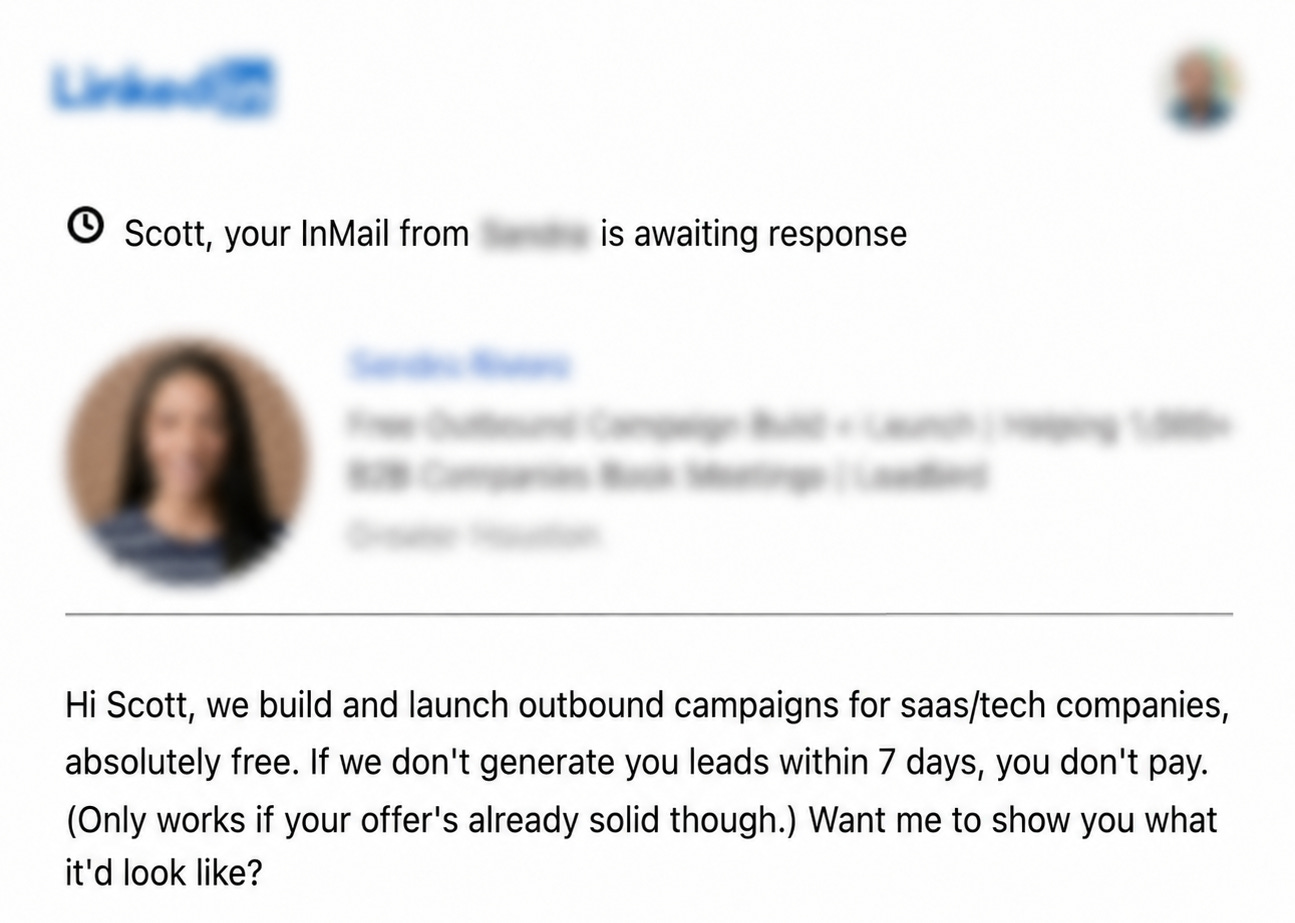
Every day I wake up to 10 LinkedIn emails with someone promising to automate my outbound lead generation. ROI or your money back!
I’m not hating on cold outreach. We use it effectively. I’ve gone through demos, bought software, even found partnerships from cold starts.
Just the complete lack of relevance. AI tool automation at its worst. Zero context on our business. I don’t even know what we’d do with 200 leads.
The Paradox of Choice
So we’ve all had those experiences but want to use AI for upside, what to do?
Today we’ll be more editorial than usual. This is a view from our experience and the clients we work with. Most sit at Seed to Series C, and everything AI.
Adoption of AI tools is highest where results are verifiable, mistakes can be caught and corrected, and the human remains in control. The spot we call the Imprint.
We discussed previously how to be surgical about choosing your AI implementation workflows.
AI Tools
Figuring out where to start can be daunting.
Separating adoption (value to customer) from a press release, even harder. When we dug deeper, the common thread was about compressing the production process in the middle of work, while still giving enough agency to humans for the final polish or review.
What we hear from operators is they use the following:
Coding: Claude Code, Cursor, Codex
Prototyping: Lovable, Replit, Bolt
Voice: ElevenLabs, Deepgram
SDR automation: Clay, Apollo
CRM: Attio; Lightfield and Monaco emerging
Sales & Meeting Intelligence: Gong, Granola
Presentations: Gamma, Beautiful.ai
Content Creation: Runway, HeyGen, Hedra, Higgsfield
Legal: Harvey
One category is fairly universal, the AI assistant. For that, it’s Claude, ChatGPT, and Gemini. These are the individual walking around tools.
Several companies we’re excited about - Ando.work, Highlight.ai, Intangible.ai, and Blomma - solve different problems but fit the same pattern. AI multiplication around the human Imprint, not replacement.
Platforms
These will come as no surprise. Companies mostly consolidate onto one platform. Many use multiple models to compare outputs, or put them in adversarial conditions to challenge responses and improve performance.
Claude: best all in one platform for enterprise use cases
OpenAI: integrations improving and Codex showing strong progress
Google Gemini: best for Google Workspace, tooling more complex
Microsoft: best for MSFT shops, improving feature set with Copilot
Salesforce: great for CRM-heavy use cases, requires skilled admin
Build your own
If you go out on your own, we recommend, right now, building on the Anthropic or OpenAI platforms. They have the most robust set of tools and are emerging as platform leaders.
The most sophisticated operators build completely from the ground up, either through a platform above or by integrating the tools in the background. This is an extremely effective mechanism but requires that you have your own AI engineering specialists or a 3rd party implementation partner. Common tools range from orchestration frameworks like LangGraph and the OpenAI Agents SDK, to automation layers like n8n, deployed on infrastructure like Vercel.
Perhaps you’ve heard of the magic of an agent running on a Mac Mini, reading your inbox, posting on LinkedIn, writing your emails? Sure, but only for the 0.01% of AI enthusiasts.
Next up: we’ll talk through how to choose your Frontier Model.